
Your hub for speaker reveals, past attendee interviews, behind-the-scenes features and stories celebrating SEJ’s legacy.
NEWS & UPDATES
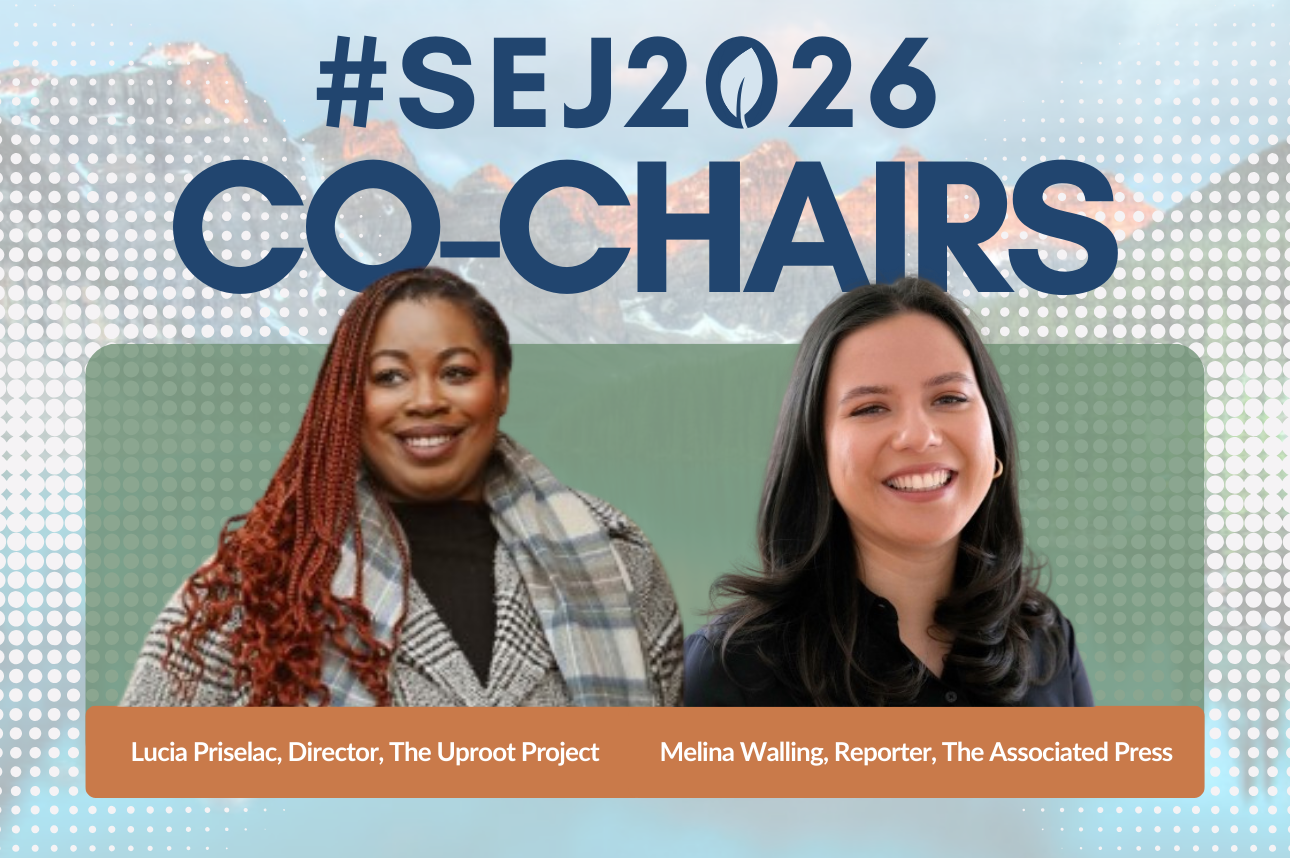
A Chicago Welcome: Meet SEJ’s 35th Conference Co-Chairs
Lucia Priselac and Melina Walling
Lucia Priselac and Melina Walling are co-chairs of the Society of Environmental Journalists 35th Annual Conference, taking place April 15-18 at the University of Illinois Chicago.
Lucia is the founding director of The Uproot Project, where she works with an advisory board to bring diverse voices to the forefront of environmental journalism. Prior to her role with The Uproot Project, Lucia was the special assistant at Grist, where she supported special projects and the CEO's office. Lucia was also the newsroom manager of Global Press Journal, where she assisted with the operation of independent news bureaus in over 40 international communities. Lucia holds a master's degree in international and European politics from the University of Edinburgh.
Melina is an agriculture and climate reporter for The Associated Press, based in Chicago. She previously worked at The Arizona Republic as a general assignment and bioscience reporter, covering health, technology, agriculture, and the environment. Melina was the 2021 Mary Withers Rural Writing Fellow at Boyd’s Station in Harrison County, Kentucky, and has previously served as a tour leader at SEJ conferences. She graduated from Stanford University in 2021 with a B.A. in English and an M.A. in Environmental Communication.
Read the welcome letter from 2026 Conference Co-Chairs Lucia Priselac and Melina Walling →
Every beat needs environmental journalism and environmental journalism needs diversity
SEJ2026 Co-Chair Lucia Priselac on how environmental reporting intersects every beat
Lucia Priselac’s work is rooted in two core truths: environmental reporting intersects with every beat, and bringing diverse voices to the forefront is essential to fully understanding and communicating an issue. These cornerstones will guide her work as a co-chair for the Society of Environmental Journalists’ (SEJ) 35th annual conference, which provides a space for journalists from all backgrounds to convene, learn and share insights.
Priselac is the founding director of The Uproot Project, where she works to bring diverse voices to the forefront of environmental reporting. Under her leadership, Uproot has grown from about 10 members at its public launch in 2021 to 900 journalists worldwide, offering mentorship, fellowships, training and resources to help reporters cover communities most impacted by environmental crises.
During an interview at SEJ2025, Priselac explained why every journalist, regardless of beat, benefits from at least a baseline understanding of environmental reporting. She shared an example from sports journalism: during a freezing NFL playoff game, reporters discussed how snow and atmospheric pressure affected how the football was handled. While it may seem unrelated, understanding the environmental context allowed for more holistic coverage.
Hear Ana Bradley, executive director of Sentient Media, on how SEJ2025 helped spark collaborations with freelance reporters and strengthen the work of her nonprofit newsroom. Her story highlights how the conference creates space for connection, shared learning, and supports underreported coverage areas like food and agriculture.
For Bradley, the impact of attending SEJ has been immediate and measurable. At Sentient’s first SEJ conference, she connected with freelance journalists covering food and agriculture – relationships that quickly turned into active reporting collaborations. One of those freelancers went on to co-report an investigation with Sentient and the Bureau of Investigative Journalism, a story that Bradley says would not have happened without meeting at SEJ.
Beyond individual stories, Bradley describes SEJ as a learning environment that helped Sentient mature as an organization. Conversations with other newsroom leaders about collaboration models, republication strategies, and operational practices directly informed changes Sentient has since implemented. As a small, niche newsroom, she credits SEJ with accelerating that growth – demonstrating how the conference not only connects journalists, but strengthens the ecosystem supporting ambitious, high-impact environmental reporting.
Watch the video interview above to hear Ana describe these outcomes in her own words.
Member POV: Ana Bradley, Sentient Media
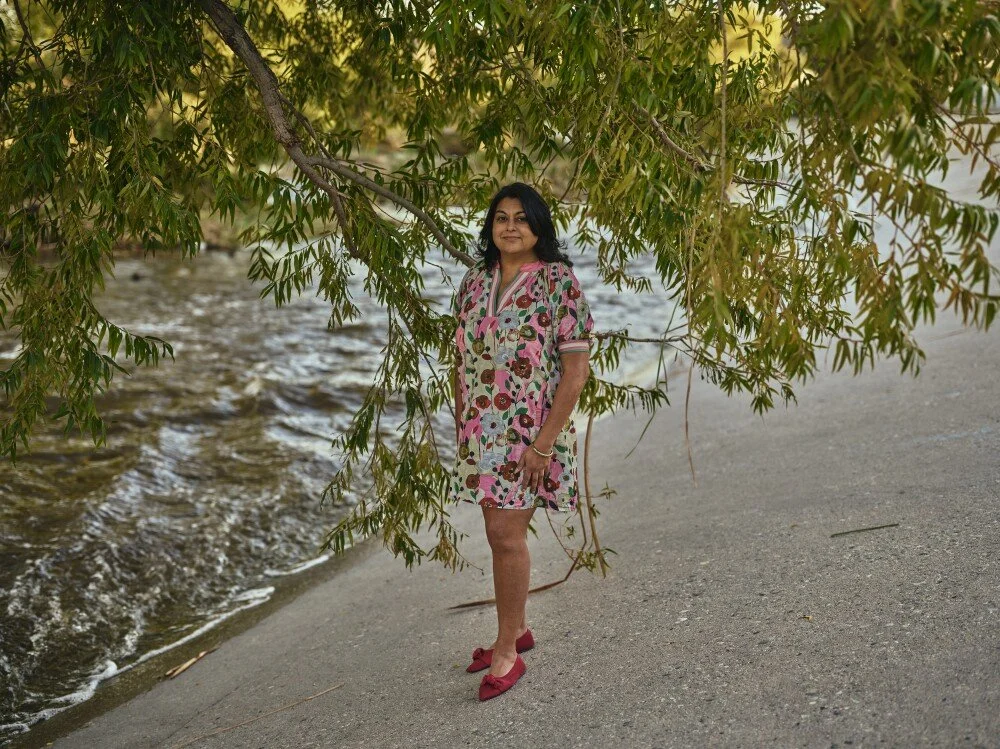
Photo: Philip Cheung
As environmental reporting increasingly shapes every beat, SEJ is working to provide more support for journalists beyond its annual conference. That work includes mentorships, regional events and year-round resources designed to help reporters, especially freelancers, connect with communities and produce impactful coverage.SEJ Executive Director Aparna Mukherjee has emphasized that environmental issues now shape reporting on health, energy, equity and local government. In a recent conversation with SEJ funder Walton Family Foundation, she underscored the importance of community-centered and solutions-oriented journalism, and expressed optimism about early-career reporters who are deeply connected to the communities they cover.
From the field: Supporting the next generation
We’re highlighting reporting sparked or shaped by attendees’ experiences at SEJ2025 in Arizona. This work reflects the kind of in-depth, community-informed reporting SEJ conferences inspire.
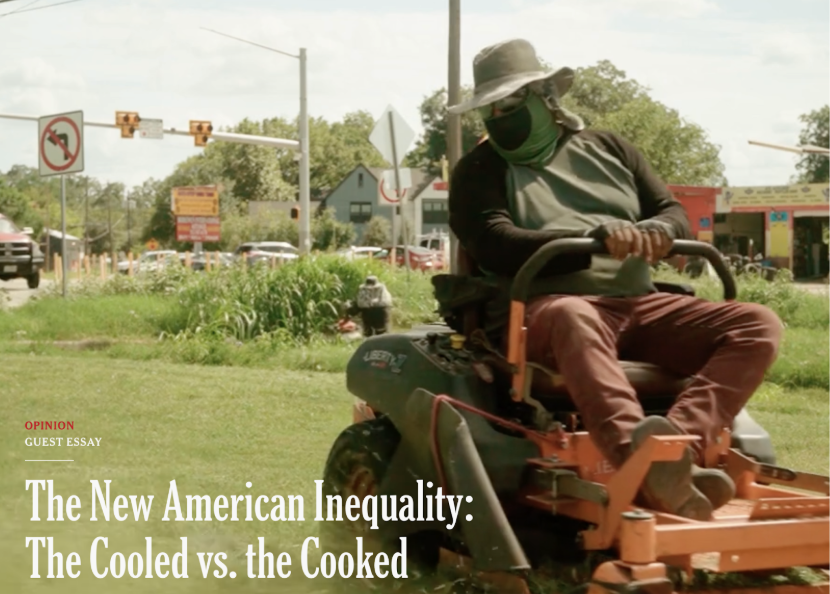
The new American inequality: The cooled vs. the cooked
As extreme heat becomes a defining feature of daily life, conversations at SEJ2025 examined how rising temperatures are reshaping daily life and deepening inequality, separating those who can escape the heat from those whose jobs leave them dangerously exposed.Those exchanges shaped both conference-week coverage and subsequent reporting. Veteran climate reporter Jeff Goodell has continued to explore these themes in his national reporting, building on ideas discussed during his SEJ panel with Eliza Barclay, climate editor for The New York Times Opinion. The Arizona Republic, through SEJ’s student newsroom, captured highlights from the conference’s author program and discussions.
Why Navajo activists oppose a proposed hydrogen pipeline that could be the world's longest
During a panel discussion with Navajo Nation activist Jessica Keetso and Capital & Main investigative journalist Jerry Redfern on energy development and environmental justice, Keetso voiced strong opposition to a proposed 200-mile hydrogen pipeline through her homeland, arguing that new energy projects repeat a long history of extraction that has left the Navajo Nation environmentally harmed and economically underserved.
The conversation raised deeper questions about sovereignty, accountability and who ultimately benefits from so-called clean energy development. The Arizona Republic, through SEJ’s student newsroom, captured highlights from the discussion, and Redfern continued to follow the story after the conference.
Stories shaped by SEJ2025
For 35 years, SEJ has convened North America’s largest gathering of environmental journalists, covering climate, energy, agriculture, water and public health. Attending an SEJ conference means connecting across beats, backgrounds and newsrooms. That mix strengthens journalism through shared learning, real-world reporting and editing support.
At SEJ2025, Alex Ip, founder of The Xylom — which he proudly describes as “the only Asian American-run news outlet dedicated to health, climate and environmental coverage” — spoke in a workshop focused on supporting environmental journalists and newsroom leaders of color. In this video interview, he discussed the importance of covering stories traditionally left out of the news industry and what it takes to sustain a healthy reporting culture.
Working alongside journalists from different backgrounds is also key to Ip’s work at The Xylom, strengthening cultural competency and sharpening how stories get told.
“Having a great variety of journalists from different walks of life helps us do better journalism,” Ip said. “When we’re able to cover stories that have been traditionally left out of the news industry, it helps us shed light on broader injustices.”
Ip’s experience highlights why SEJ supports attendance across the spectrum of journalism, from established newsrooms and independent journalists to first-time attendees and students. That mix leads to richer reporting and stronger community, at our conferences and year-round.
The community behind SEJ conferences
Sponsor Profile:
Ethan Breitling has made SEJ’s conference an annual, can’t miss date on his professional calendar since 2018. He returns because the annual convening consistently delivers concrete outcomes that pay off long after the closing party.
As Vice President of Strategic Communications of National Alliance of Forest Owners (NAFO), Breitling values SEJ for the opportunities to connect directly with reporters covering climate change, wildlife, water quality and public lands. He says those conversations help journalists better understand private working forests — nearly half of U.S. forestland — and their role in timber supply, conservation and long-term land stewardship. The result is coverage that reflects the full forestry landscape, not just public lands.
The impact continues after the conference. Breitling routinely receives follow-up calls and interview requests from journalists he first met at SEJ, leading to ongoing source relationships and more nuanced reporting. In several cases, those connections have also developed into collaborations with environmental nonprofits he encountered at the conference, moving from initial conversations to real-world projects.
Watch the video interview above to hear Ethan describe these outcomes in his own words.
Why NAFO’s Ethan Breitling keeps coming back to SEJ conferences
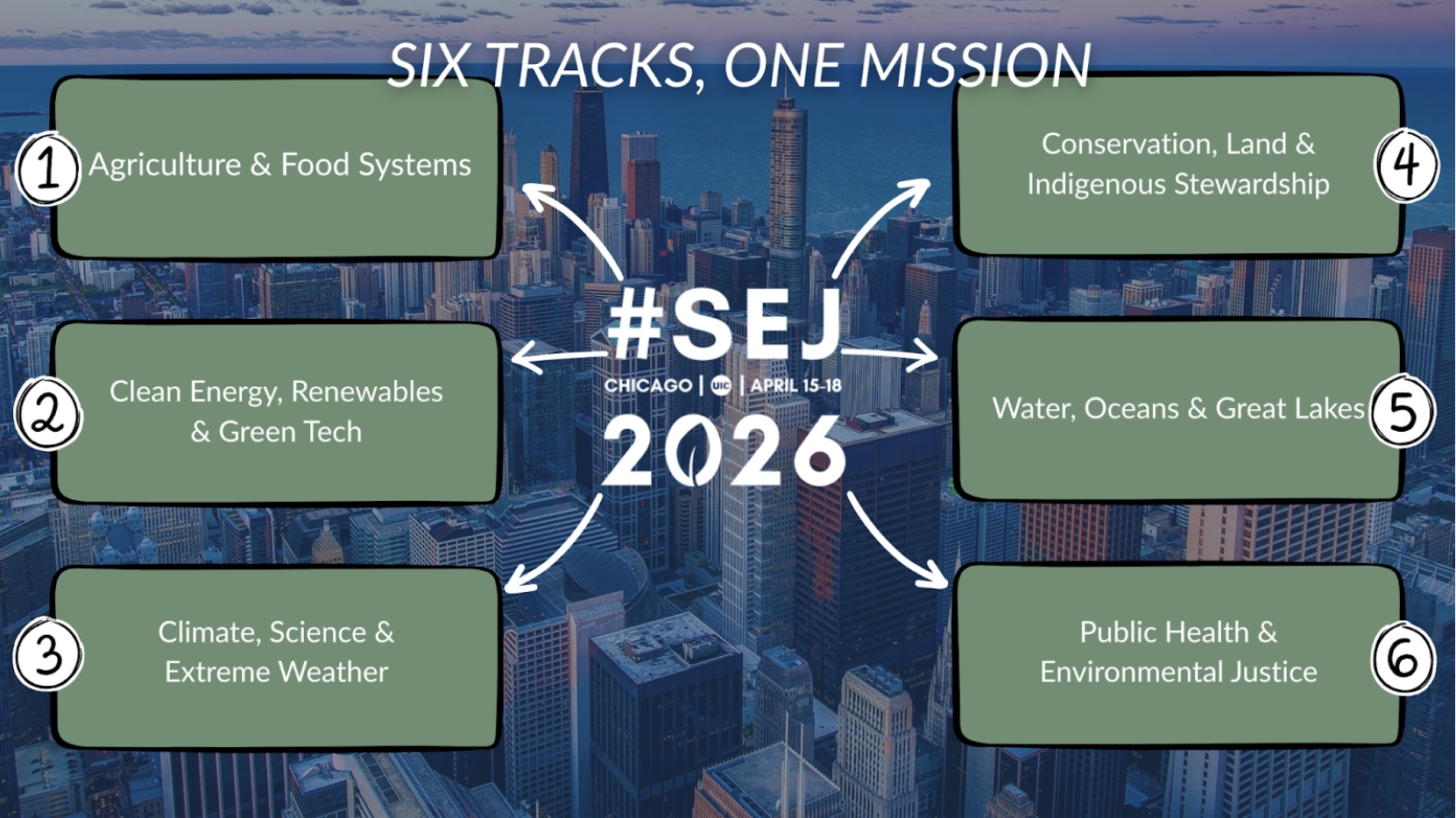
Six tracks, one mission: Strengthening your journalism amid rapid climate and policy change
Environmental journalism is entering one of the most consequential periods in decades.
Federal climate protections are being rolled back. Regulatory authority is being challenged in the courts. Agencies are shrinking. States and cities are charting divergent paths. Communities are navigating uncertainty around water safety, extreme weather, food systems and public health.
For journalists, this is not simply a political story. It’s a governance story. A science story. A public health story. A business story. An equity story.
It’s also a moment that demands depth, expertise and clarity – and a professional community equipped to meet it.
That’s why the 2026 conference programming is organized around six core tracks, each designed to strengthen your reporting and expand your toolkit in a time of rapid change.
Food accounts for a major share of global emissions, yet reporting on diet and climate is increasingly shaped by political and cultural divides.
This track focuses on producing rigorous, evidence-based reporting that avoids common pitfalls — especially around meat, land use and agricultural emissions — while engaging ideologically diverse audiences.
Sessions also examine labor in U.S. food production, providing practical tools for investigating conditions on farms and in meatpacking plants using visa records, safety data and public documents.
Clean Energy, Renewables & Green Tech
The energy transition is transforming communities in ways that are often hidden.
Climate, Science & Extreme Weather
From heat waves to hurricanes, climate disasters are becoming everyday realities.
Conservation, Land & Indigenous Stewardship
Many environmental stories are also stories about sovereignty, displacement and survival.
Water, Oceans & Great Lakes
Water connects climate, health and economic security.
Public Health & Environmental Justice
Environmental harm often shows up first in people’s bodies and neighborhoods.
Why Attend
Together, these tracks reflect how climate change is reshaping the systems that sustain human life.
Join us in Chicago and be part of a community strengthening environmental journalism when it matters most. Early-bird rates end February 18th — register now.

The SEJ2026 local conference subcommittee, part of SEJ’s Programming Committee (ProCom), is shaping a conference built for this reporting moment.As climate policy shifts, public health threats intensify and environmental accountability becomes more challenging, the committee is grounding SEJ2026 in the real-world systems that define Chicago and the Great Lakes region: water infrastructure, industrial legacy, public transit, housing, food systems and community health. The local host committee reflects that mission, bringing together investigative rigor, community-centered storytelling and public health reporting with regional and national leadership in environmental journalism.Meet the SEJ2026 Local Host Committee
At the center of the committee’s work are co-chairs Lucia Priselac and Melina Walling, who bring complementary strengths and a shared vision for grounding SEJ2026 in Chicago’s day-to-day realities.
In their welcome letter, they describe how environmental issues in the region are experienced through daily life along Lake Michigan, on public transit and in local community hubs; and how climate impacts such as wildfire smoke, extreme heat and shifting winters affect health and community stability.
As founding director of The Uproot Project, Priselac works to elevate diverse voices across environmental journalism. Walling brings experience translating complex environmental systems for national audiences as an agriculture and climate reporter for The Associated Press.
Public, mental health in environmental journalism
The work of local committee members Michael Hawthorne of the Chicago Tribune and Dilpreet Raju of the Illinois Times highlights how environmental reporting increasingly intersects with multiple beats, particularly public and mental health.
Hawthorne has spent more than two decades investigating PFAS, “forever chemicals,” and water contamination, demonstrating how environmental reporting can protect public health and prompt regulatory scrutiny. A Pulitzer finalist and a 2025 StoryReach Midwest Fellow with the Pulitzer Center, he has reported extensively on pollution in the Great Lakes and the Chicago River, toxic chemicals in consumer products, and lead in homes and drinking water, translating complex data into clear, accessible information for affected communities.
Raju brings a focus on health issues and systemic gaps in care, reflecting how environmental reporting increasingly intersects with mental health care disparities and reform. Together, their work underscores why SEJ2026 places public health and community well-being at the center of climate coverage and why journalists must be equipped to follow environmental harm across multiple systems.
Centering community
Strong environmental reporting begins with communities and how climate change shapes daily life. These committee members center people, place and public trust in their work.
Caleigh Wells, a reporter with Marketplace by APM based in Cleveland and an SEJ board member, reports on how people’s choices shape environmental outcomes. A 2023 National Edward R. Murrow Award winner for her work on BURNED, which examined failures by the U.S. Forest Service to protect communities from wildfire risk, her storytelling highlights resilience and community response.
Scholar Jill Hopke, an associate professor of journalism, researches climate change communication, climate journalism and extreme weather, including how climate issues are discussed on social media. A contributing writer to Nieman Reports, she is a leading voice on the future of climate journalism.
Independent journalism
SEJ board member and author Madeline Ostrander is an award-winning journalist whose reporting documents communities on the frontlines of climate change. Her book At Home on an Unruly Planet traces how families and towns are adapting to environmental disruption.
An independent journalist, she’s an advocate for freelancers, who now make up the majority of SEJ’s membership, and an example of what they can achieve with a supportive community.
Strengthening the field
The SEJ2026 local host committee represents the full ecosystem of environmental journalism: investigative reporting, community trust, health coverage, climate communication and narrative craft.
They are part of the conference because they embody what SEJ seeks to strengthen — journalism that is rigorous, ethical and rooted in the communities it serves. Their work helps ensure that when journalists gather in Chicago, they are building more than a program. They are strengthening a field.
Track focus: Conservation, land & Indigenous stewardship
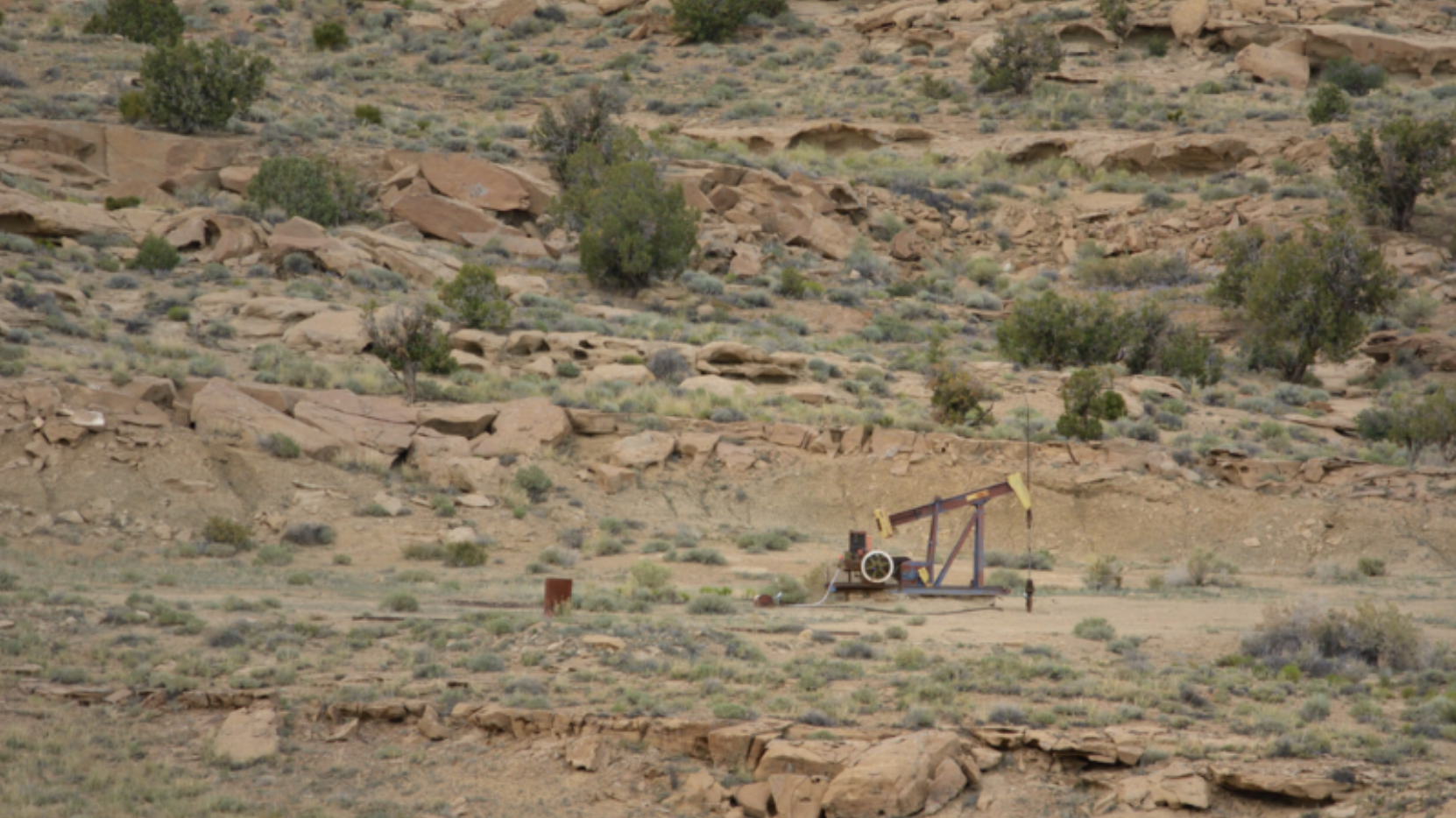
Photo: An abandoned oil well sits on a hillside on Tribal land near Farmington, New Mexico. Credit: Jerry Redfern.
Land use conflicts, resource extraction and sovereignty debates are accelerating, and so are the risks for communities most affected. Covering these issues demands historical context, cultural fluency and careful framing.The Conservation, Land & Indigenous Stewardship track brings together Indigenous Indigenous, Asian, and Latino journalists, some of them investigative reporters, who understand land as history, culture, livelihood and identity. Across sessions, participants are invited to consider how reporting can better reflect those realities, particularly in places shaped by extraction, displacement and long-term environmental harm.This panel will explore what it means to report on climate collapse from within the systems that caused it, pushing attendees to consider whether climate journalism, as currently practiced, can care for climate at all—or whether it remains trapped in colonial and capitalist frameworks that reduce catastrophe to data, solutions to products, and land to something interchangeable.
Further, panelists will discuss why mainstream climate coverage fixates on prevention and techno-solutions while sidelining adaptation, sovereignty, grief and survival — and ask what responsible climate journalism looks like in practice.
In “Making Global Environmental Stories Matter to U.S. Audiences in the Trump Era," led by global freelance journalist Nithin Coca, panelists will examine how international environmental reporting has struggled for visibility as U.S. media attention narrows under the renewed presidency of Donald Trump, even as global climate and extraction crises intensify.
Panelists will share strategies for sustaining international coverage, building cross-border collaborations and connecting global environmental harm to American readers.
The track also includes “Covering Environmental Crimes on Indigenous Lands Accurately, Ethically and Responsibly” led by Karla Mendes of Mongabay News. This panel focuses on reporting on illegal mining and extraction with nuance, emphasizing trust-building, source development and attention to environmental health impacts.
These sessions reflect a shared understanding: effective environmental journalism requires historical awareness, cultural fluency and a willingness to question long-standing assumptions about objectivity and neutrality. At a time when land conflicts, resource extraction and climate displacement are accelerating, this work has become increasingly urgent.
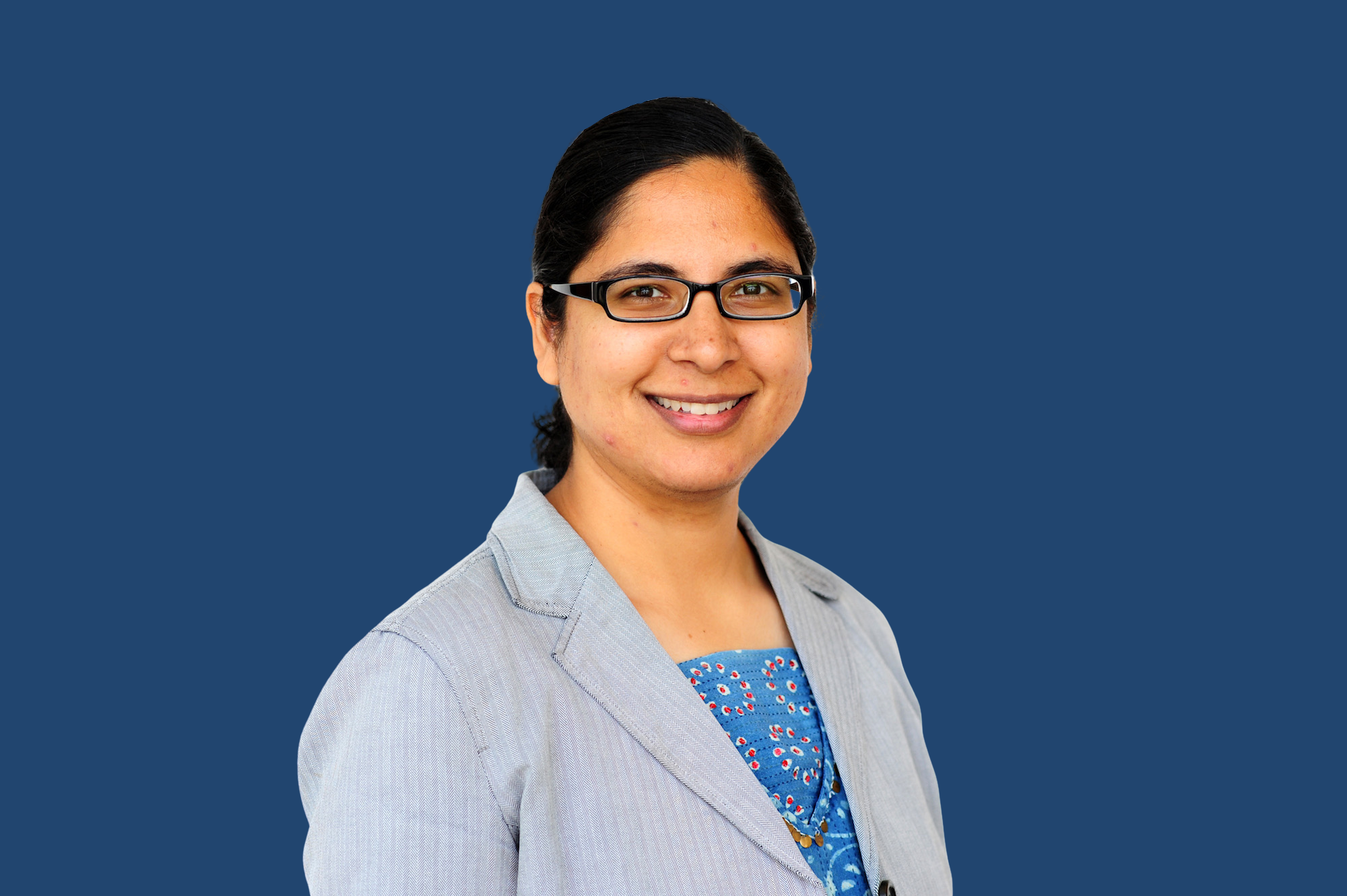
Sonia Narang still remembers the moment she learned her journalism project had earned an SEJ Award for Outstanding Student Reporting back in 2009.
"For the first time, I felt acknowledged by this prestigious honor. Journalism is a hard career, and journalists are often the target of vile commentary. It was nice to get positive feedback and realize there are people who value our work. I thought, ‘Wow, this is something I could pursue.”
How the SEJ Awards Launched Sonia Narang’s International Reporting Career
“It fueled me to continue on the track of international reporting, specifically environmental journalism, and examine how natural disasters and climate change impact women and girls globally.” It also encouraged Narang to focus on multimedia storytelling, because the judges called out how those components brought the reporting, a three-part series on uranium mining in India, to the next level.
For Narang, the SEJ Awards offered more than a line on a resume. They provided credibility, visibility, and validation. The kind that can shift a journalist’s trajectory.
That recognition not only opened doors, it also opened a community.
“One of my editors was a longtime SEJ member, so it caught his attention, and he encouraged me to report environmental stories for PRI’s The World radio program. I also connected with folks from other journalism training organizations that nurtured me along the way, including the Metcalf Institute at the University of Rhode Island and the Institute for Journalism & Natural Resources.”
Now, years later, she is an active SEJ member and serves on the SEJ Awards Committee. She’s moved from entrant to advocate, helping other journalists step into the same spotlight and utilize the resources that SEJ offers.
From her perspective, too many reporters underestimate the value of simply putting their work forward. “If you’re a freelancer, it’s beneficial because you’re making yourself known to judges, who could turn out to be editors accepting pitches. For staff journalists, it’s important to promote your stories so audiences can understand the implications of environmental degradation around the world. These stories need to be seen on a larger scale. School teachers, farmers, policy-makers, and people of all backgrounds need to read these stories. If you enter your work and win, it’ll be amplified, raising awareness. It’s for saving the world.”
Her journey is proof: the SEJ Awards can be a catalyst for both recognition and journalistic connections that last well beyond the awards night.
You can support journalists like Sonia by joining us at the SEJ Awards Luncheon during the SEJ2026 Annual Conference, where we gather to celebrate excellence in the industry and the future of environmental journalism.

Calling all environmental reporters: Do you have a big reporting idea? What if you could tap into the expertise of a crack team of editors and leaders in data-driven reporting, narrative storytelling, visual journalism, audience engagement, and social media to make your work reach even further?
The Environmental Journalism Story Incubator at SEJ2026 in Chicago is a one-day workshop and mini-fellowship that gives journalists the opportunity to build a plan for turning an idea-in-progress into a deeply reported project, in consultation with editors from publications such as bioGraphic Magazine, Sentient Media, Mongabay, Grist, and the Food and Environment Reporting Network, along with the Pulitzer Center and Covering Climate Now.
We are holding an open call for submissions and will accept four reporters for this workshop. Applicants must be available to attend SEJ2026 on April 15. With financial support from Covering Climate Now and the Pulitzer Center, successful applicants will be awarded registration to the SEJ2026 conference April 15-18 and a $1,000 stipend to help cover travel and lodging. Application deadline is March 2, 2026.
Go to https://www.sej2026.org/schedule (Wednesday, Workshop 4) to learn details and apply.
Apply Now: Environmental Journalism Story Incubator at SEJ2026

Collaboration strengthens environmental journalism
Each year, the Center for Cooperative Media at Montclair State University highlights the most innovative journalism partnerships in the country. This year, two of the 10 top journalism collaborations were environmental reporting.
That matters.
The Climate News Task Force, brings together 12 climate newsrooms to build shared tools, funding strategies and long-term infrastructure for climate coverage. Most Task Force members are SEJ members, making the annual conference a valuable place to connect.
And The 89 Percent Project, led by Covering Climate Now with The Guardian, mobilized global reporting around a striking reality: up to 89% of people worldwide want stronger climate action. Kyle Pope, executive director of strategic initiatives at Covering Climate Now, will participate in SEJ2026’s Environmental Journalism Story Incubator — a one-day workshop and mini-fellowship designed to help reporters develop ambitious projects.
Two environmental projects rank among 2025’s top 10 journalism collaborations
For decades, SEJ conferences have functioned as a collaborative engine for the field, a place where reporters meet future partners, test ideas and launch projects.
Ana Bradley of Sentient Media saw that firsthand. At her first SEJ conference, she met freelance food and agriculture reporters, and one connection led to a co-reported investigation with the Bureau of Investigative Journalism. She also credits SEJ with helping Sentient refine its collaboration and republication strategies, accelerating the newsroom’s growth.
For Ethan Breitling of the National Alliance of Forest Owners, SEJ is an annual investment in relationships. Conference conversations regularly lead to follow-up interviews, stronger source connections and more nuanced coverage of the forestry landscape.
The pattern is clear. Environmental journalism thrives when reporters meet, share ideas and build trust. At SEJ2026, that continues through initiatives like the Environmental Journalism Story Incubator and through informal network meetups that deepen relationships across beats.
Environmental journalism is leading the way in collaborative reporting. SEJ is where many of those connections begin and grow.
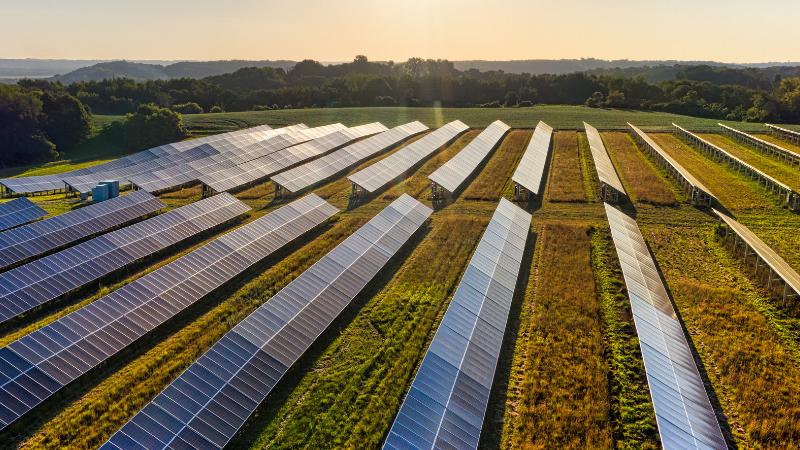
The Clean Energy, Renewables & Green Tech track explores how the energy transition is unfolding on the ground — and what it means for workers, neighborhoods, ecosystems and public trust. Across sessions, journalists will examine how policy decisions, industry investments and emerging technologies shape both climate outcomes and social equity.
In “Climate and Culture: The Battles Beneath Policy and Politics,” led by climate columnist and storyteller Sammy Roth, panelists will explore how entertainment, sports and media are influencing public understanding of climate change and how journalists can cover this growing cultural battleground.
“Can the Great Lakes Steel Industry Go Green?” moderated by Maria Gallucci of Canary Media, focuses on efforts to decarbonize one of the Midwest’s most polluting industries, amid shifting federal priorities and pressure from communities and advocates.
Track Focus: Clean Energy, Renewables & Green Tech
In “Clean Firm Power: The Other Energy Revolution,” led by Nicolas Rivero of The Washington Post, journalists will examine nuclear, geothermal, and energy storage as potential complements to wind and solar, along with the political and environmental debates they raise.
The track also addresses accountability in “Sharing Our Success: Documenting the Impact of Environmental Journalism,” moderated by James Fahn of Internews' Earth Journalism Network and environmental justice in “Hidden Costs: Data Centers and Environmental Justice,” moderated by Sam Schramski of Earth Journalism.
This track equips journalists to report on the energy transition with greater depth, context and accountability at a moment when those skills are urgently needed.
Member Profile: Maritza Felix, Conecta Arizona
When Maritza Félix talks about environmental journalism, she doesn’t start with carbon targets or policy debates. She starts with belonging.
As founder and director of Phoenix-based Conecta Arizona, a Spanish-language news outlet that found an online community tackling COVID misinformation on WhatsApp, Félix argues that Latino journalists must move beyond parachuting into communities and instead report as members of them.
“We’re part of the community. We belong to this community,” she said after speaking on a panel on Increasing Latino Representation in Environmental Journalism at SEJ2025, hosted by Arizona State University (ASU) in Tempe.
That distinction matters — especially in Arizona.
“This is a desert. We have no water. We’re always fighting about water. It’s getting too hot to live in Arizona,” she said. For her, environmental coverage isn’t abstract. It’s about whether her children will have a place to grow up and thrive.
Environmental Journalism Starts With Belonging
Félix also names a structural problem inside many newsrooms. Latino journalists often wear “too many hats”: translating, covering every Spanish-language issue, serving as cultural interpreters. That leaves little time for deep reporting on climate, water or environmental justice.
The result is a paradox: communities deeply affected by environmental change are often underrepresented in the storytelling about it.
“We know about the environment, we care about the environment, we just don’t talk about it,” she said.
For Latino communities in the Southwest — where extreme heat affects outdoor workers, water policy shapes housing growth and pollution disproportionately impacts neighborhoods — environmental reporting is not a niche beat. It is a daily reality.
Journalism as Part of an Ecosystem
Félix sees journalism as part of something larger than the media industry. Storytellers, she argues, are part of a broader ecosystem that includes nature, policy and community decision-making. Through words, photos and video, journalists can motivate people to engage in the conversations that shape their future.
This is not about advocacy in a partisan sense. It’s about impact, ensuring communities see themselves reflected in coverage that affects them.
“It’s building something, telling stories with our communities, amplifying their stories,” she said.
In a state defined by heat and scarcity, that work feels urgent.
Lessons for Local Publishers
For local newsroom leaders — especially those serving multilingual or underrepresented communities — Félix’s approach offers practical guidance:
1. Move from extraction to partnership. Don’t parachute in for climate disasters. Build sustained relationships and co-create stories with the communities most affected.
2. Invest in capacity, not just representation. Hiring diverse journalists isn’t enough if they’re stretched thin. Deep environmental reporting requires time and beat development.
3. Make climate personal and local. Connect policy debates to playgrounds, housing and family futures. Frame environmental reporting as intergenerational responsibility.
4. Meet your audience where they are. On her panel, Felix said Conecta published on all social platforms, from TikTok to YouTube. “One day you’ll open a cereal box and we’ll pop out.”
5. Use multimedia to deepen engagement. Video, photography and narrative storytelling can spark dialogue and influence local decision-making.
6. Reflect the community in the coverage. Environmental journalism improves when it mirrors the lived realities of those most affected, not as subjects, but as participants.
In places like Phoenix, the climate story is already there. The question for local publishers is whether they will tell it from the outside — or from within.
Maritza Félix is choosing the latter.
Escuchar en español

Thirty-five years of community:
SEJ's first-ever leadership retreat took place Aug 8, 1996 in Boulder, Colo.
For 35 years, the Society of Environmental Journalists’ annual conferences have created a space for learning, debate, inspiration and, most importantly, community.
From the first conference in 1991, which drew about 200 attendees, to today’s gatherings that bring together more than 1,000 journalists, editors, freelancers, researchers, students and international colleagues, SEJ conferences have evolved alongside environmental journalism itself.
Few people have witnessed that evolution more closely than Jay Letto, who helped organize the first conference in 1991 and served as SEJ’s conference director for more than three decades.
“From a small group in the early ’90s to what it is now, it’s become one of the main places where environmental journalists connect, learn and support each other,” Letto said. “The most rewarding part has always been the camaraderie. People are dealing with loss and hard stories over and over, and this is where they find support to keep going.”
That support has only become more important as the work and the stakes have grown.
How SEJ conferences have shaped environmental journalism
As SEJ marks 35 years of conferences, this is a moment to look back at how that community was built, how it has adapted and what it has meant for generations of environmental journalists.
An ‘annual recharge’ rooted in camaraderie
When SEJ’s first conference convened in Boulder in 1991, environmental journalism was still fighting for recognition in many newsrooms. Most members were newspaper reporters or broadcasters. Freelancers were rare. Email was not yet standard.
Tim Wheeler, a former SEJ president and the first environment reporter at what was then The Baltimore Evening Sun, recalls how isolating the beat could be in those early years.
“Seeing all the other people there was energizing,” Wheeler said. “I met and discovered a lot of like-minded people who were also trying to figure out better ways to tell the most important story on the planet.”
That sense of belonging became central to SEJ’s culture. Wheeler has attended nearly every conference since, calling them “an annual recharge” that sustains both professional skills and personal connections.
Expanding access, evolving coverage
As SEJ grew, leaders worked to remove barriers that kept some journalists from attending. Early efforts relied on creative ways to stretch limited resources, including fellowships, partnerships with historically Black colleges and universities and support for journalists without institutional backing.
Christy George, who joined in 1997 and later served as SEJ president, watched the organization evolve from “largely white newspaper staffers” into a more diverse, freelance-heavy and increasingly international membership. Deb Krol, who joined through SEJ’s Diversity Leadership Fellowship in 2004, credits those efforts with helping Indigenous journalists find a long-term professional community and encouraging more thoughtful, accountable coverage of Indigenous communities.
At the same time, SEJ’s programming shifted alongside the changing realities of environmental reporting.
“I organized and moderated the first panel on what we called environmental racism,” Letto recalled. “That focus on justice was there from the beginning.”
George noted that reporting expanded from narrow beat coverage to stories that examined how environmental issues were shaping everyday life and public policy. SEJ conferences reflected that evolution through training in data, accountability, multimedia storytelling and community-centered approaches.
‘It was really pioneering’: Field tours helped SEJ stand apart
One of SEJ’s most distinctive features, the field tours, emerged in the mid-1990s.
“At our ‘93 conference, we were at Duke University in Chapel Hill, and they organized little tours,” Letto said. “I remember I went to the lemur center which was really fascinating.” That experience inspired SEJ to organize their own tours at subsequent conferences. “It was really pioneering, nobody was doing anything like it.”
Members started organizing tours themselves, guiding colleagues through wildfire zones, industrial corridors and mining and drilling sites.
“These became the backbone of the conference,” Letto said. “They produced more stories than anything else.” Tours helped reporters connect policy and science to lived experience and return home with deeper understanding and tangible reporting ideas.
Memorable people, moments
Over the decades, SEJ conferences have brought together presidents, scientists, authors, activists and artists.
Al Gore delivered a keynote highlighting the critical role of journalism in addressing climate change. Jane Goodall spoke in a video message to members about connecting solutions to the wildlife crisis.
Bill Moyers delivered a landmark keynote address arguing that the greatest threat to the environmental movement was the "predatory power of money,” reinforcing environmental reporting’s civic importance. Actor Ed Begley Jr. and recording artist Don Henley led a discussion of the media's role in saving a nature preserve from developers.
These appearances signaled that environmental journalism belongs at the center of national and global conversations.
Equally powerful were quieter moments. Letto recalls a session where renowned author and poet Wendell Berry, responding to a question about covering disaster and loss after Hurricane Katrina, started to cry.
“Those kinds of moments are what happen when people are on the front lines of these critical issues,” Letto said. Experiencing and moving through those moments together is central to what SEJ is about. After Hurricane Katrina, members mailed supplies to displaced colleagues. In wildfire and flood zones, reporters supported one another while learning how to report responsibly on trauma.
A legacy still unfolding
For Letto, SEJ’s greatest achievement is not any single speaker or session, but the community itself.
“There’s more at stake in this beat,” he said. “It’s about ecosystems, health, justice and survival.”
For 35 years, SEJ conferences have helped journalists meet that responsibility with rigor, empathy and mutual support. As SEJ marks a milestone anniversary conference, that legacy continues — shaped by new voices, new tools and the same enduring commitment to getting the story right.
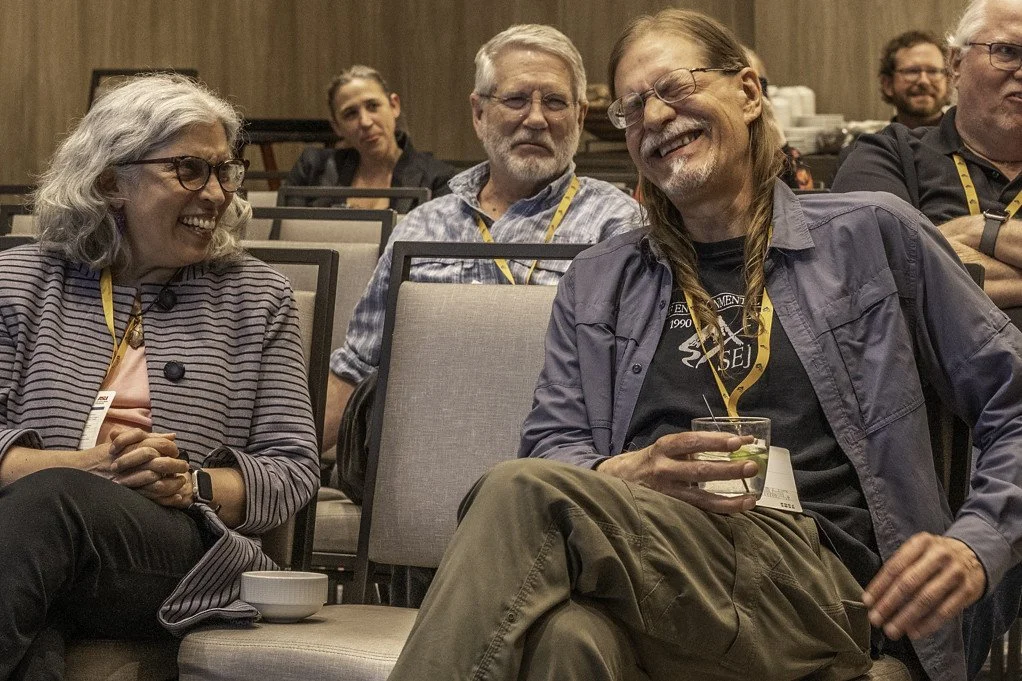
Jay Letto, front right, at The Roast of Jay Letto in Arizona, SEJ2025

For decades, massive methane plumes from oil and gas operations have gone undetected due to a lack of technologies that could detect and measure this invisible, odorless gas at a sufficient scale along with a history of lax self-reporting by some industry players.
Leaking methane is a big, hidden problem, both for nearby communities suffering from the pollution and the climate, given that methane is over 80x more powerful than carbon dioxide as a global warming gas.
But these days, methane leaks can’t stay hidden.
Rocky Mountain Institute’s Wednesday workshop “Spotted from Space: Methane Sensing Satellites are Changing Climate Storytelling” will show journalists how new satellite technology is pinpointing methane super-emitters, down to specific facilities and equipment.
Methane Sensing Satellites are Changing Climate Storytelling
Preconference Workshop:
For reporters covering energy, business, climate or public health, this session shows how to leverage these tools in a new era of emissions transparency. Given the rapid growth of US natural gas production and exports, the story is both local — how natural gas infrastructure can be leaking in communities near you — and global — how shipping natural gas around the world exacerbates this problem.
Featuring Deborah Gordon, senior principal in the Rocky Mountain Institute’s Climate Intelligence Program and Riley Duren, Chief Executive Officer and founder of Carbon Mapper.
Go to www.sej2026.org/schedule (Wednesday, Workshop 2) to view the full workshop description and register.
SEJ Awards spotlight:
Last year’s Pulliam Award honors groundbreaking investigation into land, power, extraction
At SEJ2025, the Nina Mason Pulliam Award for Outstanding Environmental Reporting went to the Grist investigative team behind “Misplaced Trust,” which uncovered how public universities own vast amounts of land taken from Indigenous peoples and lease them to extractive industries. The project also received the Kevin Carmody Award for Outstanding Investigative Reporting.
At the heart of the project was an ambitious data effort. The team built a national, searchable database mapping which land-grant universities continue to profit from millions of acres of Indigenous land taken from 123 Indigenous nations.
“We wanted to make sure the data set was publicly accessible,” said Maria Parazo Rose, a freelance data reporter who helped create the database that served as the foundation of the project. “We made a concerted effort to share it with different publications ahead of our actual publication date so that multiple people could use it to try and apply the data to their own localized stories…We knew from the start that this topic had a national scale.”
By sharing the dataset publicly, they also enabled student newsrooms to examine their own institutions and extend the reporting’s impact.
Judges called “Misplaced Trust” “a new standard” for data-driven investigative journalism, exactly the kind of accountability reporting the Pulliam Award honors.
At SEJ2026, we’re reviving the SEJ Awards Luncheon to celebrate the winners of the SEJ Awards for Reporting on the Environment. One of them will win the $10,000 Nina Mason Pulliam Award for the “best of the best” among SEJ honorees.
Join us as we honor the reporting that reshapes how we understand power, policy and the environment — and the journalists committed to telling those stories.
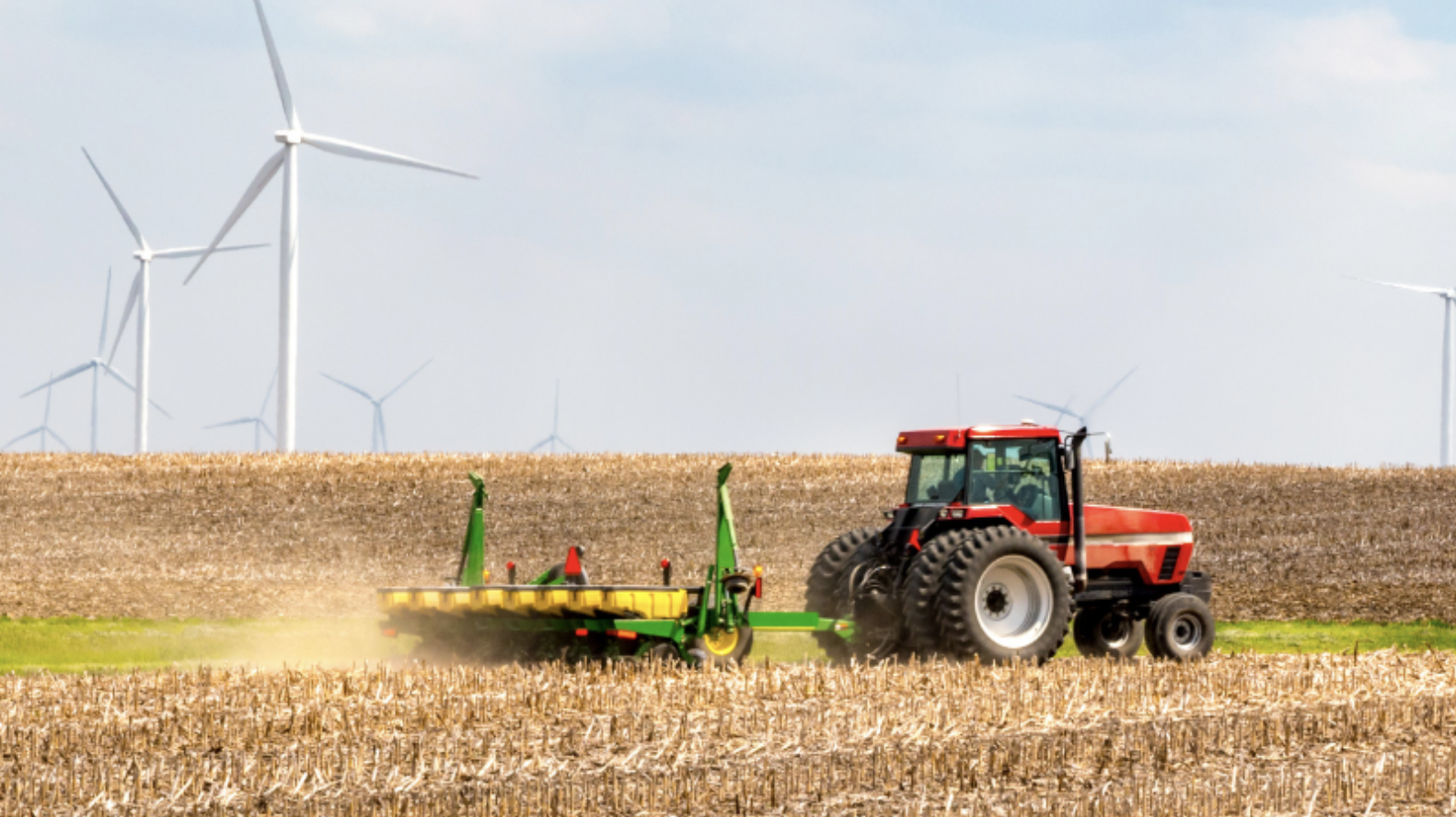
Track focus: Agriculture & food systems
Food systems account for roughly a third of global greenhouse gas emissions, yet reporting on their environmental impact can be complex. Agriculture sits at the intersection of climate change, labor conditions, public health, rural economies and, increasingly, political debate.
The Agriculture & Food Systems track explores how journalists can cover these issues with clarity and nuance, leveraging SEJ26’s location in the heart of the Midwest
Labor is another critical piece of the story. In “The Hidden Workforce: Reporting on Labor in U.S. Food Production,” moderated by Sentient reporter Grey Moran, journalists will share strategies for investigating workplace safety, immigration-related labor dynamics and the conditions facing farmworkers and meatpacking workers.
Environmental reporting on agriculture also intersects with public health. “Cancer in the Corn Belt,” moderated by Carey Gillam of The New Lede, examines emerging evidence linking fertilizers and pesticides to elevated cancer risks in rural communities, while offering guidance on investigating contamination and regulatory gaps.
Together, these sessions show how covering food systems increasingly requires connecting climate, labor and public health reporting.
Hit the Ground Running:
Field Tours at SEJ2026 in Chicago
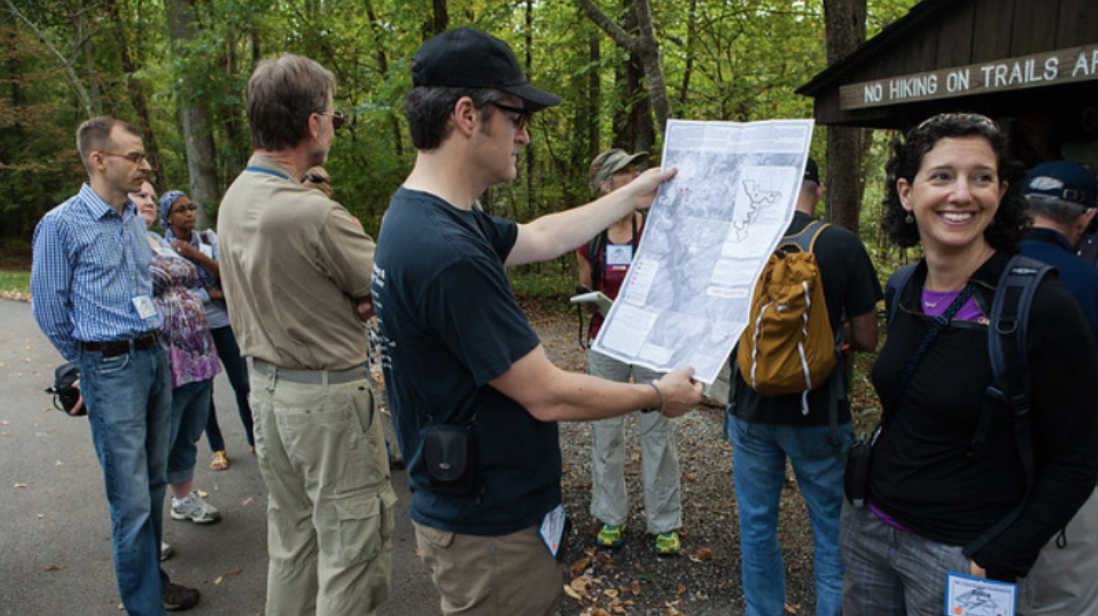
Conference attendees on a field tour at SEJ2013 in Chattanooga, Tennessee.
Over 35 years of conferences, one of the hallmarks of SEJ’s annual convening is getting journalists out of meeting rooms and into the field for our Thursday full-day tours. While there’s plenty to learn in workshops and sessions inside the University of Illinois Chicago (UIC) Forum at SEJ2026, we also put hundreds of journalists on buses and into the field, guided by the expertise of SEJ members, to see stories firsthand.
This year in Chicago, on April 16, the field stretches from the industrial shoreline of Lake Michigan to Nachusa Grasslands two hours west; from Indiana Dunes National Park, where rare ecosystems sit next to steel mills to the Far Southeast Side neighborhoods where the nation's environmental justice movement found its roots. You'll see wastewater infrastructure being reimagined as an economic resource, bison grazing on restored prairie, working farms in central Illinois testing conservation practices and distributed energy projects that could change how local communities keep the lights on.
Tour tickets are $85 per person with lunch and transportation included.
An add-on ticket purchase is required. If you've already registered for #SEJ2026, find your confirmation email (search for "SEJ2026 Registration: You're All Set!"), scroll down and click the "Add to your order" button.
Tour buses leave at different departure times, starting as early as 7:30 a.m. from the UIC Forum and return before 5 p.m., in time for our annual, Thursday evening Hospitality Reception and Exhibit Hall opening. Click to explore the full tour descriptions on our agenda. Attendance on each tour is limited and tours typically sell out, so register now to secure your preferred option.
Thursday Tours
View full tour descriptionsThe Greener, More Profitable Future of Wastewater
A changing climate and rising demand for raw materials are putting pressure on urban infrastructure. Learn the strengths and weaknesses of grey and green infrastructure approaches with Circle of Blue reporter Brett Walton and Luke Runyon of The Water Desk, who have designed this tour to explore ways to reduce harm from sewage and wastewater while also mining its economic value.
How Does Indiana Dunes N.P. Balance Conservation, Community Health, and Industry?
Go behind the scenes at Indiana Dunes National Park, where rare dune-and-swale ecosystems unfold in the shadow of heavy industry. SEJ members Nancy Castaldo and the Chicago Tribune’s Adriana Perez bring together community leaders, scientists and park officials to explore how conservation, community health and economic realities collide and coexist in the same landscape.
Steel at a Crossroads: The Push to Clean Up Lake Michigan's Mills
Steelmaking anchors the regional economy, but coal-based mills are a major source of climate and air pollution. Led by Canary Media’s Maria Gallucci and Kari Lydersen, you'll visit facilities like the Indiana Harbor and Gary Works steel mills, meet residents and former workers affected by industrial pollution, and explore the global challenge of decarbonizing steel with 21st-century alternatives.
What Does Environmental Justice Look Like in Chicago?
The environmental justice movement was born in Chicago's most polluted industrial corridor, where Hazel Johnson began her work from a Far Southeast Side public housing community. The Chicago Sun-Times’ Brett Chase will be joined by Hazel's daughter, Cheryl Johnson, for a bus tour of the city's 10th Ward, including Superfund sites, abandoned brownfields, and other symbols of a toxic legacy.
How Illinois Is Turning Crops into Climate Solutions
Sponsored by Good Food Institute
Food and agriculture generate roughly one-third of global greenhouse gas emissions, yet less than 4% of climate coverage mentions this sector. Sentient Media’s Jenny Splitter guides a visit to the iFAB Tech Hub and the University of Illinois Urbana-Champaign's Biomass Innovation Hub to see how the state is transforming crops into sustainable proteins and industrial products.
Plug and Play: Powerful Energy Solutions Proliferating Across the U.S.
Sponsored by Pew Charitable Trusts
Distributed energy resources (DER), from rooftop solar to home batteries and smart appliances, are expanding as a way to keep the lights on and energy costs down. Visit a project making a difference in the Chicago area, explore a new tool tracking 400+ state policies and preview a playbook for scaling these technologies nationally.
Nachusa Grasslands: Wildlife Restoration and Bison Reintroduction
Sponsored by The Nature Conservancy
The tallgrass prairie was once Illinois' defining ecosystem. Join SEJ Award-winning member Nancy Averett for The Nature Conservancy's tour of the Nachusa Grasslands, where volunteers and scientists are restoring 4,000 acres through native seed planting, prescribed fire, and a growing herd of American bison reintroduced in 2014 with a restoration model built to endure for generations.
Conservation on the Farm: From 'Silicorn Valley' to Dairy Barns
Sponsored by Environmental Defense Fund
See conservation practices in action on working Midwest farms. Government incentives, corporate commitments and on-farm benefits are accelerating adoption of practices. Hear from corn and dairy producers, experts and supply chain players with perspective from SEJ2026 co-chair Melina Walling on reporting on these conservation programs in the context of climate change and environmental impacts.
Saturday's programming features shorter afternoon tours:
- Chuck Quirmbach returns with his annual Rails to Trails bike tour
- A transit trip on Chicago's famous "L" exploring clean transportation
- Our conference host UIC is lining up walkable, on-campus visits to a greenhouse tracking air quality across 21 sites, the Jane Addams Hull-House and possibly a peek at peregrine falcons nesting

Preconference workshop:
Using data and a solutions lens to enhance your environmental reporting
Environmental journalism often focuses on documenting problems. But what if reporters could go deeper, examining what responses are working, why they work and where they fall short?
At SEJ2026, the Missouri School of Journalism’s Mississippi River Basin Ag & Water Desk, the Solutions Journalism Network and The Water Desk at the University of Colorado Boulder will host a full-day preconference workshop designed to help journalists strengthen their reporting through solutions frameworks and data visualization.
In the afternoon session, Geoff McGhee of The Water Desk will lead a deep dive into using data visualizations to strengthen environmental stories. Journalists will explore how to use maps, charts and other visuals to clarify complex environmental issues and engage audiences.
Whether reporters attend one session or the full-day workshop, they will leave with practical tools for combining strong environmental reporting with data and solutions-focused storytelling.
Go to the SEJ2026 Schedule to view the full workshop description.
Sponsor impact:
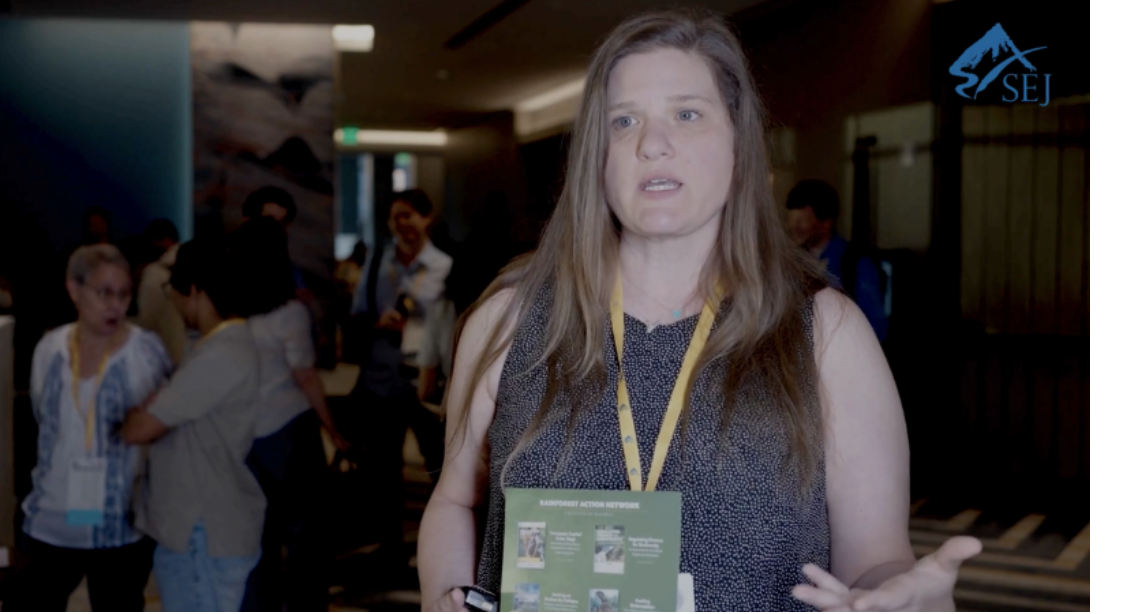
Shawna Ambrose on RAN’s work exposing fossil fuel financing
For more than 40 years, the Rainforest Action Network (RAN) has worked at the intersection of environmental protection and Indigenous rights, researching the financial institutions that enable deforestation and fossil fuel expansion.
“We’re an Indigenous solidarity organization,” said Shawna Ambrose of RAN at SEJ2025. “Part of that work is researching who is funding forest destruction, who is funding fossil fuel companies, and who the responsible actors are, whether that’s insurers or banks behind the ecological devastation contributing to climate change.”
Ambrose pointed to one example of the report’s impact. After RAN identified the Royal Bank of Canada as the world’s largest fossil fuel financier in a recent report, the bank came under intense public scrutiny.
“Within six or seven months they developed a new sustainability program and rewrote their policies because of the exposure from the story being out there,” Ambrose said.
Research like this often becomes a resource for journalists investigating the financial drivers of climate change. Meanwhile, SEJ’s conferences provide an opportunity for organizations like RAN to connect with reporters, share research and expertise, and support investigations into corporate-driven deforestation and fossil fuel financing.
Read more about sponsor impact and learn how you can increase your impact by sponsoring SEJ.
Track focus: Climate, science and extreme weather
As environmental journalism evolves, reporters are adapting how they tell stories, reach audiences and sustain their work. This track explores how journalists can navigate a changing media landscape through new platforms, visual approaches and independent publishing models.
In “Can You Make a Living with a Climate Newsletter? The Economics and Risks,” moderated by Bobby Magill of Bloomberg Law, journalists will examine how independent reporters are using platforms like Substack to publish and monetize climate coverage, and what it takes to build an audience while managing legal and financial risks.
The track also explores how environmental journalism reaches audiences on social platforms. In “Social Media: Explaining Earth’s Problems in 60 Seconds,” led by Kasha Patel, journalists will learn practical strategies for translating complex climate and Earth science topics into effective short-form video.
Together, these sessions highlight how environmental journalism is expanding across formats, platforms and business models.
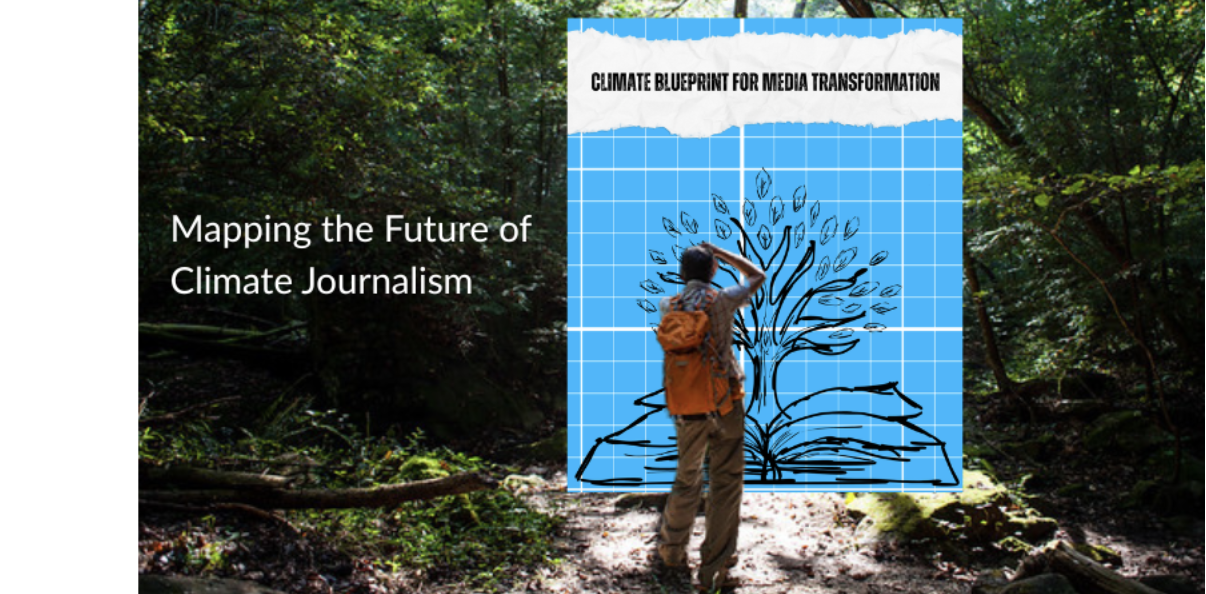
Published in 2024, the Climate Blueprint for Media Transformation brought together the insights of hundreds of journalists worldwide to outline best practices for climate reporting. But the Blueprint was always intended to evolve.
At SEJ2026, Covering Climate Now, the Solutions Journalism Network and other Blueprint contributors will host a participant-driven workshop to discuss what climate journalism needs at this moment.
Speakers include Justin Cook, freelance photojournalist and certified Solutions Journalism Trainer, James Fahn of Internews’ Earth Journalism Network, Andrew McCormick of Covering Climate Now, freelancer Jennifer Oldham, Christine Trudeau of Underscore Native News and Melina Walling of The Associated Press.
→ Visit the SEJ2026 Schedule to view the full workshop description.
Preconference workshop:
Mapping the future of climate journalism
At SEJ2025 the Outstanding Student Reporting Award went to the team behind “The Price of Plenty,“ a cross-university investigation examining the environmental and community impacts of fertilizer production and use.
Funded by the Pulitzer Center’s Connected Coastlines initiative, the project brought together ten student journalists from the University of Florida and nine student journalists from the University of Missouri to trace nitrogen and phosphorus, key fertilizer ingredients, from mines and farm fields to rivers, coastal waters and communities living near the industry.
Students reported from Florida’s phosphate mining region known as “Bone Valley” to agrichemical plants along the Mississippi River, investigating how fertilizer production and runoff shape ecosystems, economies and public health.
“It was a great springboard to connect Florida and Missouri,” said Alan Halaly, a water reporter at the Las Vegas Review-Journal. “The distance actually worked in our favor because we were able to do a watershed-wide story…Even though the watershed of Florida may not be connected to the Mississippi River, there was that kind of obvious through line of phosphorus and nitrogen.”
The reporting found that fertilizer pollution persists despite decades of scientific research linking nutrient runoff to harmful algae outbreaks and water pollution. It also documented how communities living near fertilizer production facilities often bear the environmental burden of the industry. At the same time, the project highlighted emerging solutions, including regenerative farming practices and growing community organizing around environmental justice.
The collaboration highlighted the complex relationship between agriculture, water quality and public policy, and demonstrated how student journalists can work across institutions to fill reporting gaps, particularly in rural areas where environmental issues often go undercovered.
That spirit of training and supporting the next generation of environmental journalists continues at SEJ conferences. At SEJ2026, in addition to presenting the Outstanding Student Reporting Award at our revived Awards Luncheon, SEJ will host its dedicated student newsroom, where selected fellows work alongside professional editors to report on conference sessions, field trips and emerging environmental issues.
SEJ Awards spotlight: Student journalists investigate the environmental cost of fertilizer
Student reporters help communities better understand the environmental systems shaping their lives

Spend a summer afternoon along Lake Michigan and you understand quickly that Chicago is a climate story. The lake shapes weather, recreation and drinking water for millions. In recent years, wildfire smoke has drifted into the city from Canada. Extreme heat settles over transit platforms and neighborhoods with limited tree canopy. Industrial corridors and legacy pollution continue to affect communities on the South and West Sides.
Environmental journalism here isn’t abstract — it’s daily life.
Chicago is also home to one of the country’s strongest local news ecosystems, in part because different kinds of organizations play distinct roles. Neighborhood outlets like Block Club Chicago and community-focused publications like The TRiiBE bring day-to-day reporting close to residents. Civic journalism organizations such as City Bureau and its Documenters program strengthen the pipeline and help communities participate in local accountability. And in public media, Chicago Public Media operates WBEZ and, since 2022, the formerly for-profit Chicago Sun-Times.
More recently, Press Forward Chicago mobilized funders to support immigration coverage across 11 organizations, responding to events in the city by bringing in funders who had not previously supported journalism.
Environmental reporting in Chicago operates squarely at the intersection of climate, public health and civic life — and several members of the SEJ2026 local host committee reflect that reality.
Committee member Michael Hawthorne of the Chicago Tribune has spent decades investigating PFAS (“forever chemicals”), water contamination and toxic exposures, showing how environmental reporting can protect public health and prompt accountability. Co-chair Lucia Priselac, founding director of The Uproot Project, works to elevate diverse voices across environmental journalism. Co-chair Melina Walling, an agriculture and climate reporter for The Associated Press, brings a systems lens rooted in Midwestern realities.
And then there’s the public face of weather itself. Recently retired WGN meteorologist Tom Skilling became a trusted guide for generations of Chicagoans navigating blizzards, heat waves and increasingly volatile weather. When wildfire smoke from Canada’s 2023 record-breaking wildfires drifted into the Midwest, turning Chicago’s skyline hazy and air quality hazardous, many residents turned to Tom Skilling to learn what was happening, how long it would last and whether it was safe to go outside.
Chicago isn’t just a backdrop for a conference about the future of environmental journalism. It’s a living example of what’s possible when strong reporting, community trust and civic-minded investment converge — around the simple premise that local journalism is essential infrastructure, and environmental coverage is central to community well-being.
Chicago’s Local News Ecosystem — and Why It Matters for Environmental Reporting
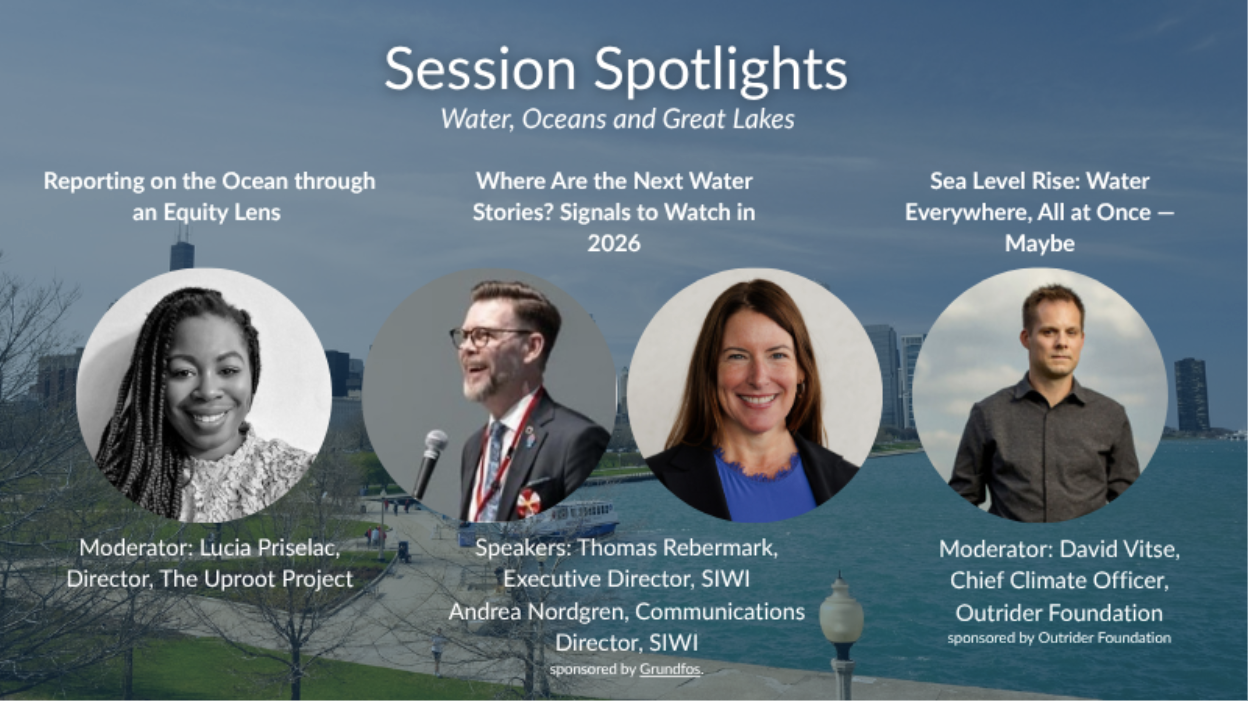
Water is at the center of some of today’s most urgent environmental stories — from plastic pollution and ocean health to water scarcity and climate risk. This track explores how journalists can cover water systems with greater depth, context and accountability.
In “Myths Around Plastics: How They Harm Communities and the Environment Throughout Their Life Cycle,” journalists will examine how plastics impact ecosystems and public health, along with the legal and policy efforts shaping the response. “Reporting on the Ocean through an Equity Lens” highlights how water systems shape livelihoods and communities, offering tools to center equity in coverage.
Sessions also tackle major water challenges, including the Colorado River crisis and the uncertainties of sea level rise, while exploring emerging global storylines and how water connects across climate, food and policy.
Together, these sessions help journalists better understand and report on the systems shaping our water and our world.
Track focus: Water, oceans & Great Lakes
At a moment when environmental journalism is being tested, by political pressure, public distrust and the growing complexity of the climate crisis, where we gather matters.
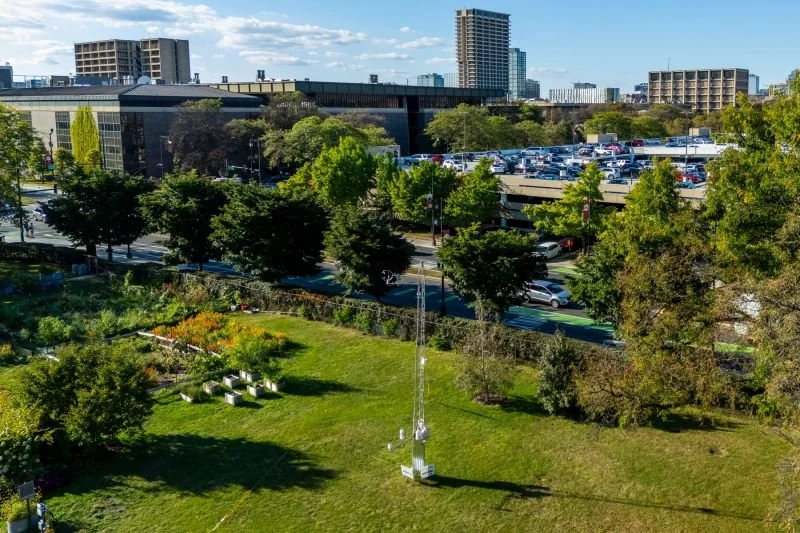
At SEJ2026, journalists will come together at the University of Illinois Chicago, a public research institution rooted in one of the most environmentally complex regions in North America — and led by a scientist whose work sits at the intersection of environment, health and policy.
The conference’s Friday plenary, Defending Science, Strengthening Trust: Environmental Journalism and Public Health, brings that intersection into focus.
UIC Chancellor Marie Lynn Miranda will join John Palfrey, president of the MacArthur Foundation, in a conversation moderated by WBEZ’s Sasha-Ann Simons on the role institutions play in defending science, supporting trusted journalism and countering disinformation. At a time when environmental reporting is increasingly tied to public health outcomes — from air quality and water safety to extreme heat and pollution — the conversation reflects the urgency of the moment.
For Dr. Miranda, this is not theoretical.
A nationally recognized expert in geospatial health informatics, her research focuses on children’s environmental health, examining how environmental exposures shape outcomes over a lifetime. With more than 135 peer-reviewed publications, her work has helped inform national policy, including research linking childhood lead exposure to academic performance that contributed to more protective federal standards.
That dual perspective — as both institutional leader and subject-matter expert — makes her presence at SEJ2026 especially meaningful. She brings a lived understanding of how environmental science, public health and policy intersect and why journalism plays a critical role in translating that knowledge for the public.
She will also welcome attendees at the opening reception, setting the tone for a conference grounded not just in ideas, but in place.
A Conference That Starts in the Field
That sense of place begins immediately.
The opening reception at the Shedd Aquarium, set along Lake Michigan, situates attendees within one of the largest freshwater ecosystems in the world and one of the defining environmental systems shaping the region.
From there, UIC extends the experience beyond traditional conference spaces.
SEJ2026 mini-tours offer on-the-ground access to the university’s research, partnerships and community engagement. These shorter, immersive experiences connect journalists directly with the people and places shaping environmental work in Chicago.
At the Jane Addams Hull-House Museum, attendees will explore Perennial City: Experiments in Urban Gardening, an exhibition that traces how urban agriculture has long served as a tool for environmental justice, food access and community care, linking past movements to present-day challenges.
Another tour brings participants into UIC’s greenhouse and mobile air quality monitoring lab, where researchers are working with South Side communities to track pollution across 21 sites. The project offers a close-up view of how hyperlocal data can inform public health decisions and community action.
Together, these experiences reflect a broader theme: environmental journalism is strongest when it is grounded in real places, real data and real communities.
An Urban Laboratory for Environmental Reporting
That approach is embedded in UIC’s research itself.
The university is home to the Center for Extreme Conditions and Health Excellence (CECHE), an NIH-funded center studying how environmental factors — including heat, humidity, air quality and water systems — interact with human health. Its work spans urgent questions facing cities today, from how green infrastructure can reduce flooding and disease risk to how extreme weather is reshaping the boundary between environmental science and medicine.
At the same time, projects like CROCUS — a Department of Energy–funded urban climate research initiative — researchers are generating hyperlocal data that shows how climate change plays out at the neighborhood level. And the Children’s Environmental Health Initiative is a research, education, and outreach program committed to fostering environments where all people can prosper.
Just as important, community input helps shape the research itself, ensuring that findings are not only scientifically rigorous, but directly relevant to the people most affected. For journalists, this creates a rare opportunity: access to both cutting-edge science and the communities living its realities.
Practicing What It Preaches on Sustainability
UIC’s role as host is not just academic, it is operational.
Through its Climate Commitment Action Plan (CCAP 2024), the university has outlined a comprehensive strategy to reduce emissions, strengthen resilience and embed sustainability across campus life. The plan is built around five core commitments: carbon neutrality, zero waste, net zero water, biodiversity and transformative scholarship.
The scope is ambitious. UIC aims to achieve net-zero greenhouse gas emissions by 2050 while also reducing waste, improving water systems and expanding sustainability education across disciplines.
But the plan is also grounded in action.
UIC has added multiple LEED Gold-certified buildings, expanded geothermal and solar infrastructure and implemented energy efficiency upgrades across campus. It has developed composting systems, strengthened recycling programs and invested in water conservation and stormwater management. At the same time, it continues to confront the realities of operating in a dense urban environment — including aging infrastructure and limited space for large-scale renewable energy installations.
As Chancellor Miranda writes in the plan, climate change is an “existential challenge,” and universities must help model the way forward.
At UIC, that means pairing long-term vision with near-term steps, aligning research, operations and education to build a more resilient and equitable campus.
The Right Place for This Moment
Chicago sits at the intersection of many of the defining environmental stories of our time: Great Lakes water systems, industrial legacy, urban heat, environmental justice, agriculture and energy transition.
UIC brings those stories into focus — not just as topics to cover, but as systems to understand.
For journalists gathering at SEJ2026, that matters.
This is a conference grounded in science, shaped by community and anchored in a place where environmental issues are not abstract. They are lived, measured and contested every day.
And in a moment when trust, evidence and accountability are under strain, there may be no better place to have that conversation.
Why UIC Is the Right Home for SEJ2026
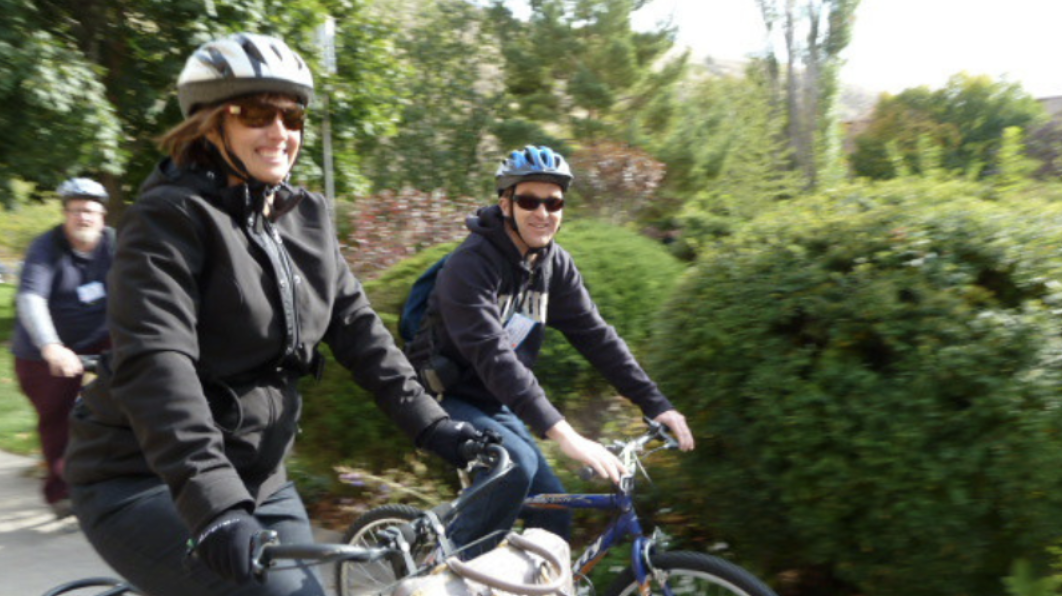
At SEJ conferences, getting out into the field has always been part of the experience. But for decades, one format has offered something different: the chance to cover a lot of ground, quickly and see a city the way residents do.
The bike tour.
Over the years, SEJ’s bike tours have evolved from informal rides into immersive reporting experiences, helping journalists move through neighborhoods, infrastructure and environmental systems in real time. Instead of observing from a distance, participants experience how transportation, access and environmental issues intersect on the ground, often sparking ideas they can take back to their own communities.
At SEJ2026, that tradition continues.
Bike tours have been part of SEJ conferences for decades, shaped by longtime conference leaders including former SEJ conference director Jay Letto, who helped guide the conference for more than 30 years, along with the journalists who stepped up to lead rides in cities across the country.
For longtime SEJ member and journalist Chuck Quirmbach, who has participated in and helped lead bike tours over the years, the format has remained consistent even as locations change.
“We try to be safe, informative and have a little bit of fun,” he said.
That balance — part reporting, part exploration, part community — has kept the tours going across cities from New Orleans to Pittsburgh to Philadelphia.
Along the way, they’ve included everything from riding through coastal wetlands in Louisiana to multi-day post-conference tours along trails like the Great Allegheny Passage in Pennsylvania. One Boise ride even ended with a stop at a geothermal hot tub.
But the purpose has always been bigger than the ride itself.
Reporting on the Move
Unlike traditional tours, bike tours aren’t about sitting and listening. They are designed to help journalists experience infrastructure and environmental systems as they function in real life.
“You’re not going to be taking a whole lot of notes,” Quirmbach said. “But you’re seeing things in a different way.”
That perspective often translates directly into reporting.
A recent example comes from journalist Rona Kobell, who participated in an SEJ bike tour in Philadelphia. After riding across the Ben Franklin Bridge and exploring the city’s bike infrastructure, she returned home to Baltimore with a new lens, and a story idea.
Her reporting examined whether a rebuilt Key Bridge in Maryland could include a protected bike lane, connecting local infrastructure decisions to broader conversations about transportation, equity and climate.
“The idea is to think about similar topics in your own community,” Quirmbach said. “Is access equitable? Could things be done better?”
Seeing Systems Up Close
That kind of on-the-ground perspective is shaped in part by partners like Rails to Trails Conservancy, which is featured in this year’s Chicago bike tour.
The organization has spent decades building a nationwide network of trails, transforming former rail corridors into safe, accessible spaces for walking and biking. With more than 25,000 miles of rail-trails already in use — and thousands more planned — their work highlights how infrastructure, public space and equity intersect.
For journalists, it’s a chance to see how those systems function in real communities and how access to them varies depending on where you live.
“It’s not just about building trails,” Quirmbach said. “It’s about how people get to them.”
That “first mile” or “last mile” challenge — how residents access safe, connected transportation networks — is a recurring theme in both reporting and planning.
A Different Way to Learn a City
This year’s bike tour, Rolling Toward Transportation Equity?, builds on that approach.
Participants will take a 12-mile “slow roll” through Chicago, exploring neighborhoods like Bronzeville and riding toward the lakefront, one of the city’s most celebrated public spaces and a case study in both environmental preservation and unequal access.
At its core, the tour examines a question many cities are grappling with: who benefits from investments in infrastructure, and who gets left out?
Bike tours also reflect a broader shift in environmental journalism. Transportation is no longer a niche topic, it’s central to conversations about emissions, public health and urban design.
And for many SEJ attendees, the tours offer something just as valuable: a way to experience those stories in motion.
“We’re trying to offer an outdoor opportunity that’s low-cost, scenic, fun and inclusive,” Quirmbach said.
Because sometimes, the best way to understand a story is to move through it.
There’s still time to join a mini-tour. Please follow the individual RSVP instructions listed for your preferred tour. Adding a tour to your Whova agenda does not constitute registration.
RSVP today